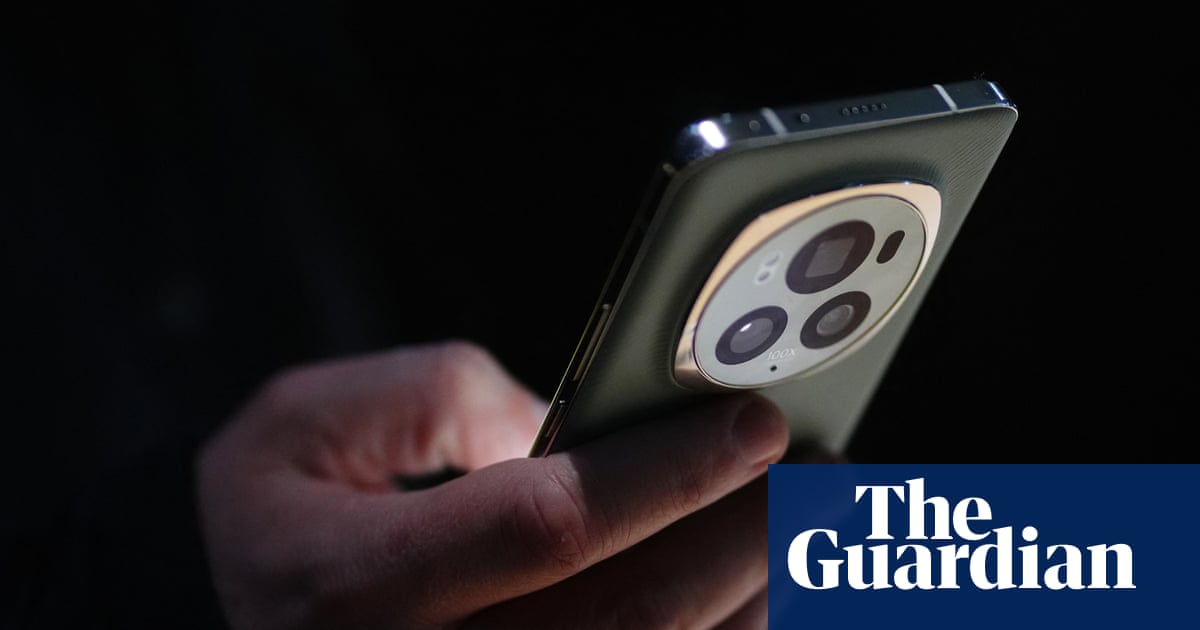
Bird-like Drones Evade Air Force Detection: Drones designed to mimic
Drones designed to mimic birds successfully evaded detection during an Air Force technology exercise. The test highlights growing concerns over stealth drone capabilities.

The internet is a big forest. We sniff out the good stuff so you don't have to dig.
Showing stories tagged #surveillance — clear filter
🥜 Fresh stash
Drones designed to mimic birds successfully evaded detection during an Air Force technology exercise. The test highlights growing concerns over stealth drone capabilities.
The US government is concealing a secret court ruling that reveals how it conducts warrantless surveillance on Americans under Section 702. Officials are rushing to renew the surveillance program before the ruling becomes public to avoid backlash.
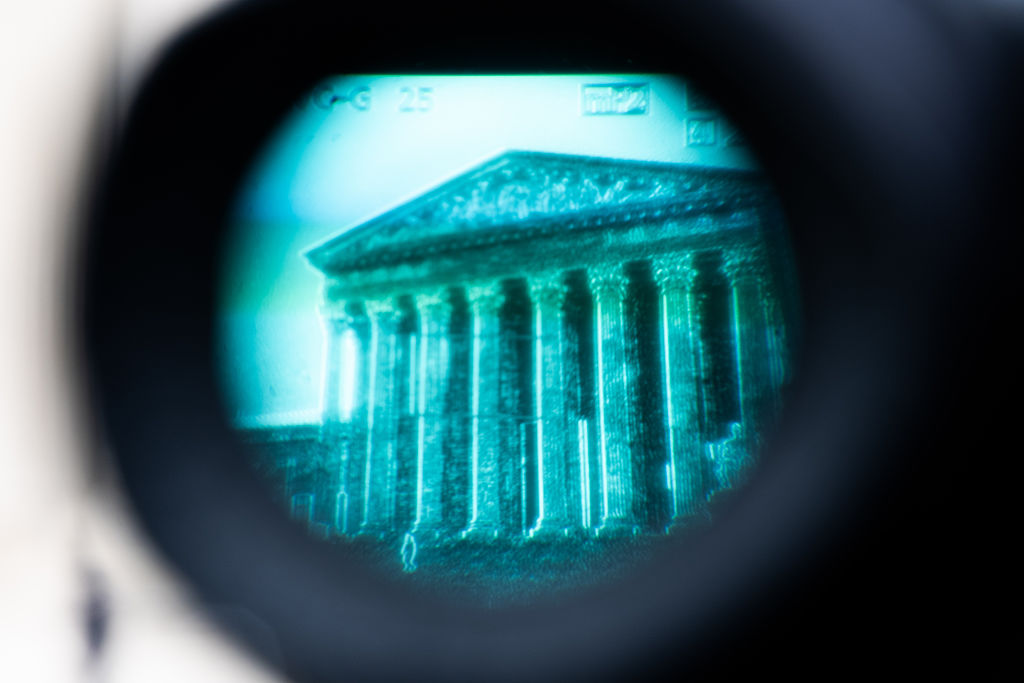
Florida police admit they cannot identify the owner of 11 unpermitted Flock cameras, while Senators Sanders, AOC, and Merkley propose a bill to ban the surveillance technology nationwide.

This spectacular failure strengthens the case against deploying live facial recognition in public, highlighting the massive waste of money and the serious threat to privacy with no tangible security benefit.

BBC News reports that Strictly Come Dancing returns with new hosts Emma Willis, Josh Widdicombe, and Johannes Radebe replacing Tess Daly and Claudia Winkleman, as celebrities learn their dance partners. Meanwhile, 404 Media asks for public help to uncover which cities use Axon.

Meta's smart glasses enable discreet public filming, prompting the creation of a free app called ZuckOff that can detect the glasses before they record you.

U.S. lawmakers are targeting Flock automated license plate readers by threatening to withhold federal highway funding, citing privacy and surveillance concerns. A separate investigation revealed how hackers exposed the cameras' vehicle and person-tracking capabilities.
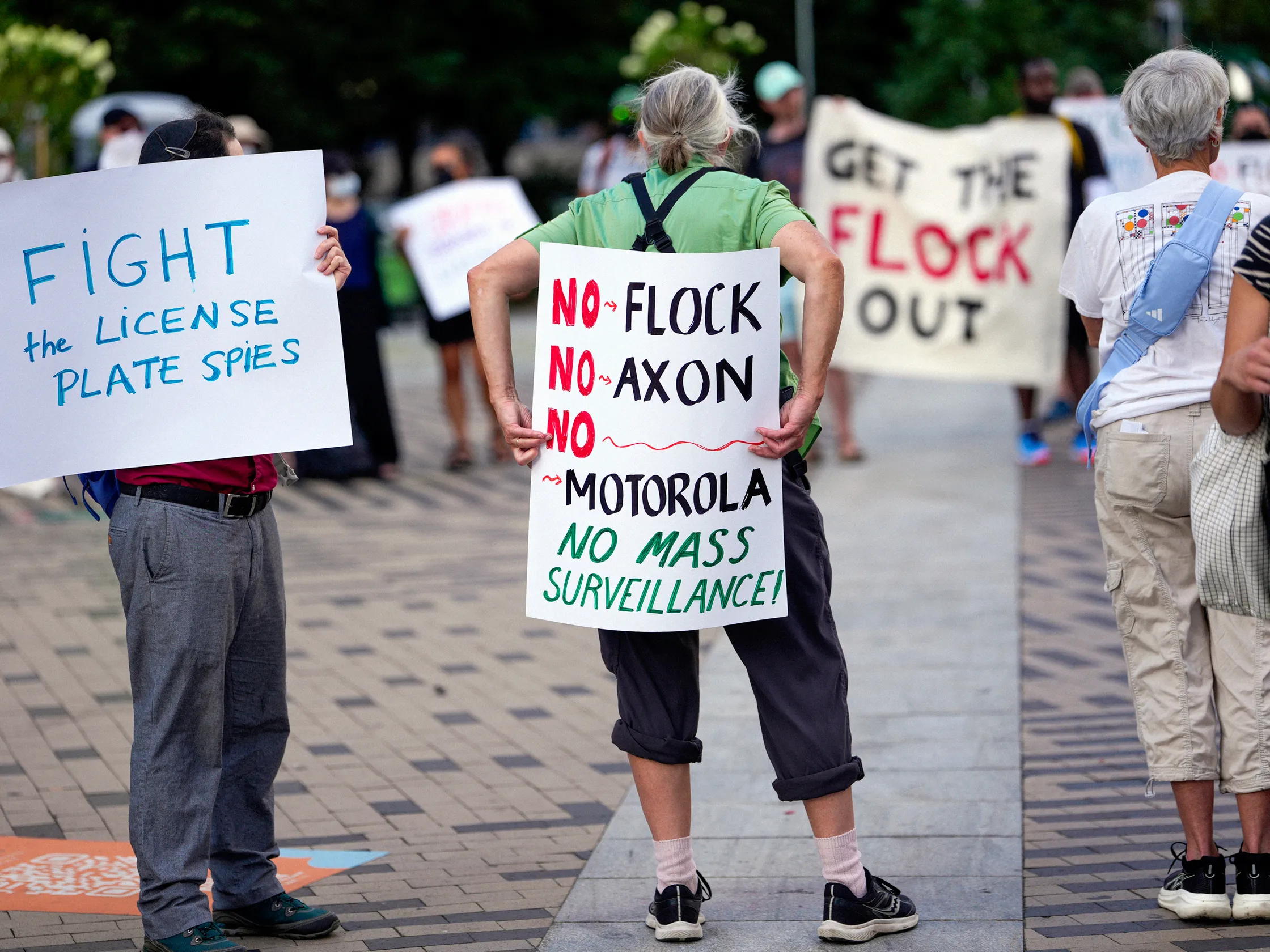
A study found that commercial detectors for hidden cameras and microphones often fail to locate spying devices, leaving domestic abuse victims vulnerable to ongoing surveillance. The study tested multiple detectors and found they missed many devices or gave false positives.