2026 Nobel Prizes Awarded for Optogenetics, Neutrinos, and Chirality
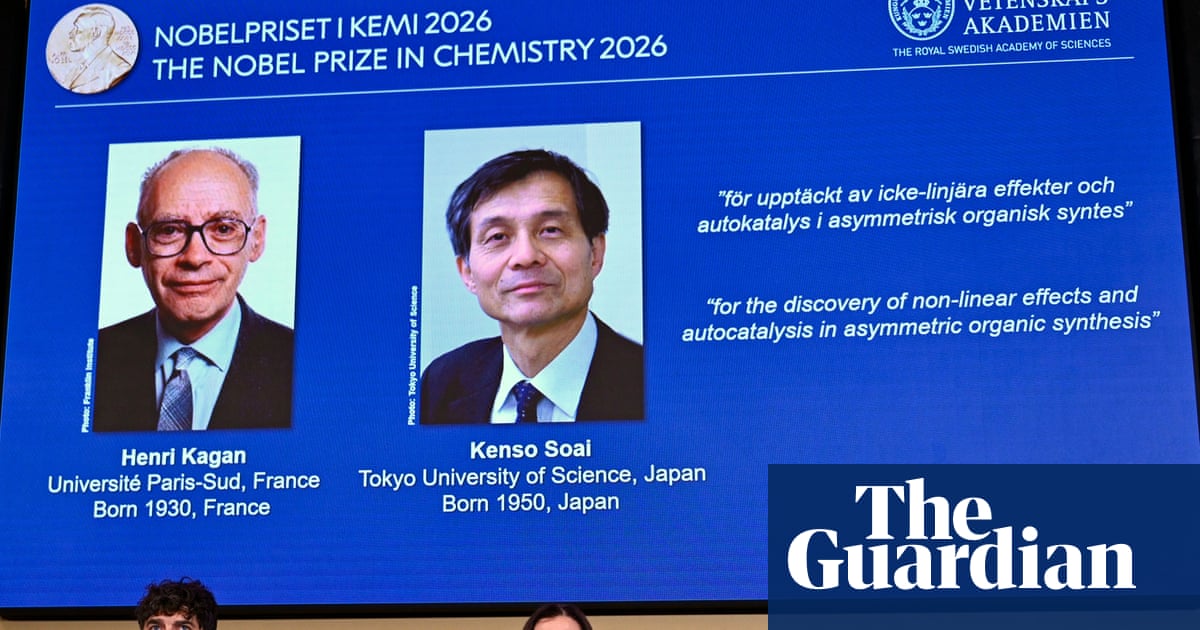
The 2026 Nobel Prize in Physiology or Medicine was awarded to Deisseroth, Hegemann, and Nagel for optogenetics, while Francis Halzen won the Physics prize for neutrino research. The Chemistry prize went to Kagan and Soai for their work on mirror-image molecules.
The 2026 Nobel Prizes in Medicine, Physics, and Chemistry recognize transformative discoveries in optogenetics, neutrino astrophysics, and chirality. Beyond the headlines, each award highlights both profound implications and unresolved challenges in translating these breakthroughs into widespread applications.
-
Optogenetics: Promise and Translational Hurdles
The optogenetics prize acknowledges a technique that allows precise neural control with light, opening avenues for treating blindness and Parkinson's disease. However, clinical adoption remains constrained by the need for viral gene delivery and long-term safety data, as noted in the Nobel committee's summary. [1]
-
Neutrino Physics: Unlocking Cosmic Secrets with Giant Detectors
Francis Halzen's prize for neutrino detection underscores how high-energy neutrinos from space can reveal hidden astrophysical processes. Yet the field faces unresolved risks: current detectors like IceCube are limited in size and energy range, potentially missing rare events. [2]
-
Chirality: Essential for Drug Safety but Synthesis Challenges Persist
Kagan and Soai's work on mirror-image molecules is fundamental to pharmaceuticals, as the wrong handedness can cause severe side effects. Industrial-scale asymmetric synthesis remains difficult, and controlling enantiopurity without costly separation methods is an ongoing constraint. [3] [4] [6]