Controversial Baby Vaccine Trials Halted After Backlash
Police raided the office of RFK Jr. allies planning an unethical vaccine trial on babies, while a separate US-backed hepatitis B trial on African newborns was canceled following international outcry.
Two separate but nearly simultaneous controversies—an aborted US-based infant vaccine trial allegedly planned by allies of Robert F. Kennedy Jr., and a US-backed hepatitis B study in Guinea-Bissau that was canceled after international backlash—reveal how quickly unapproved or ethically questioned research on babies can unravel. The halting of both trials, while formally ending the immediate risks, leaves unresolved questions about the regulatory oversight of pediatric vaccine studies and the vulnerability of infant participants to inadequate ethical safeguards.
-
Police Raid Office of RFK Jr. Allies
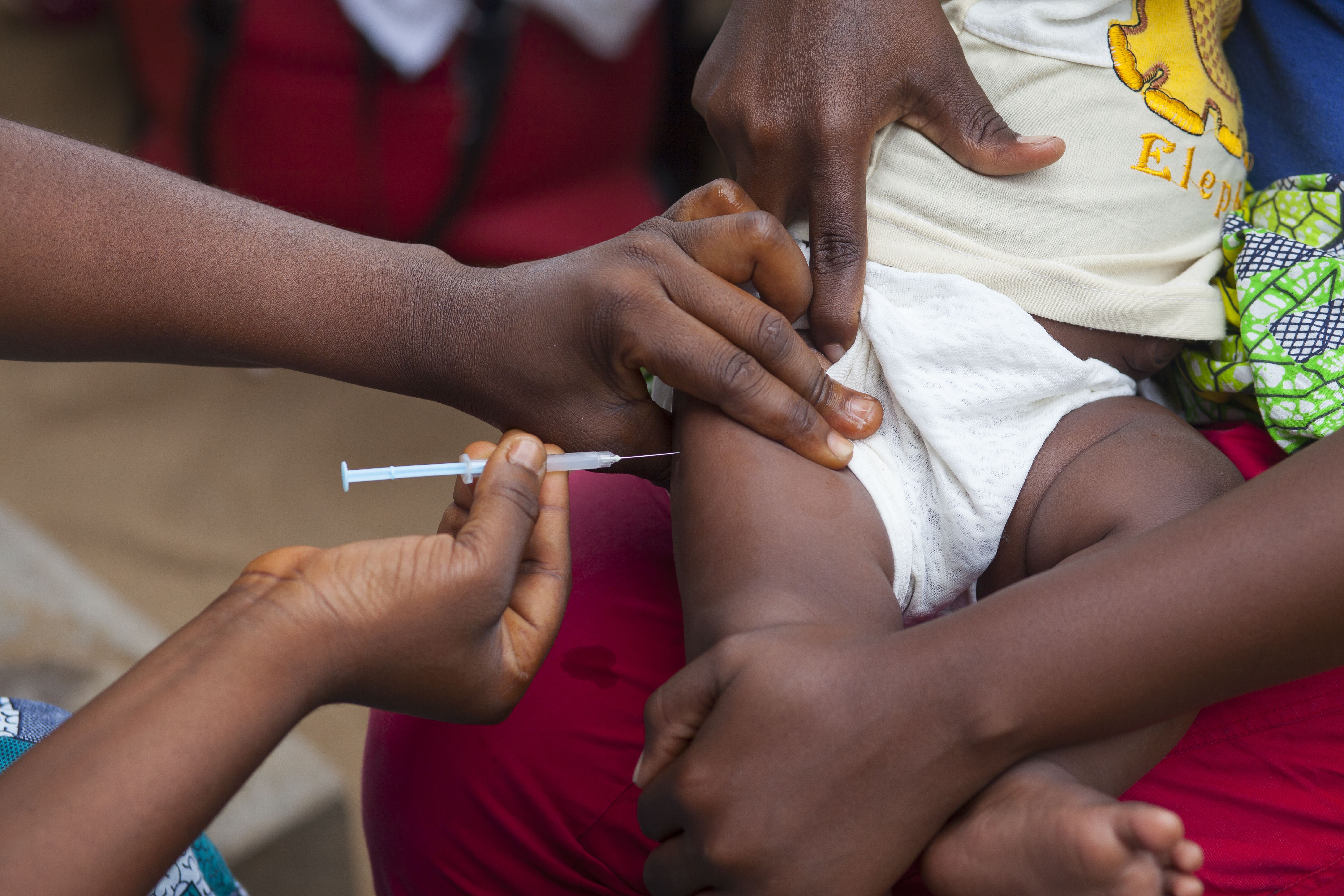
Law enforcement raided the office of associates of Robert F. Kennedy Jr. who were planning what authorities described as an unethical vaccine trial on infants. Ars Technica reported that the raid targeted individuals allegedly preparing to recruit babies for a study that lacked proper ethical oversight. [1]
-
US-Backed Hepatitis B Trial Canceled After Outcry
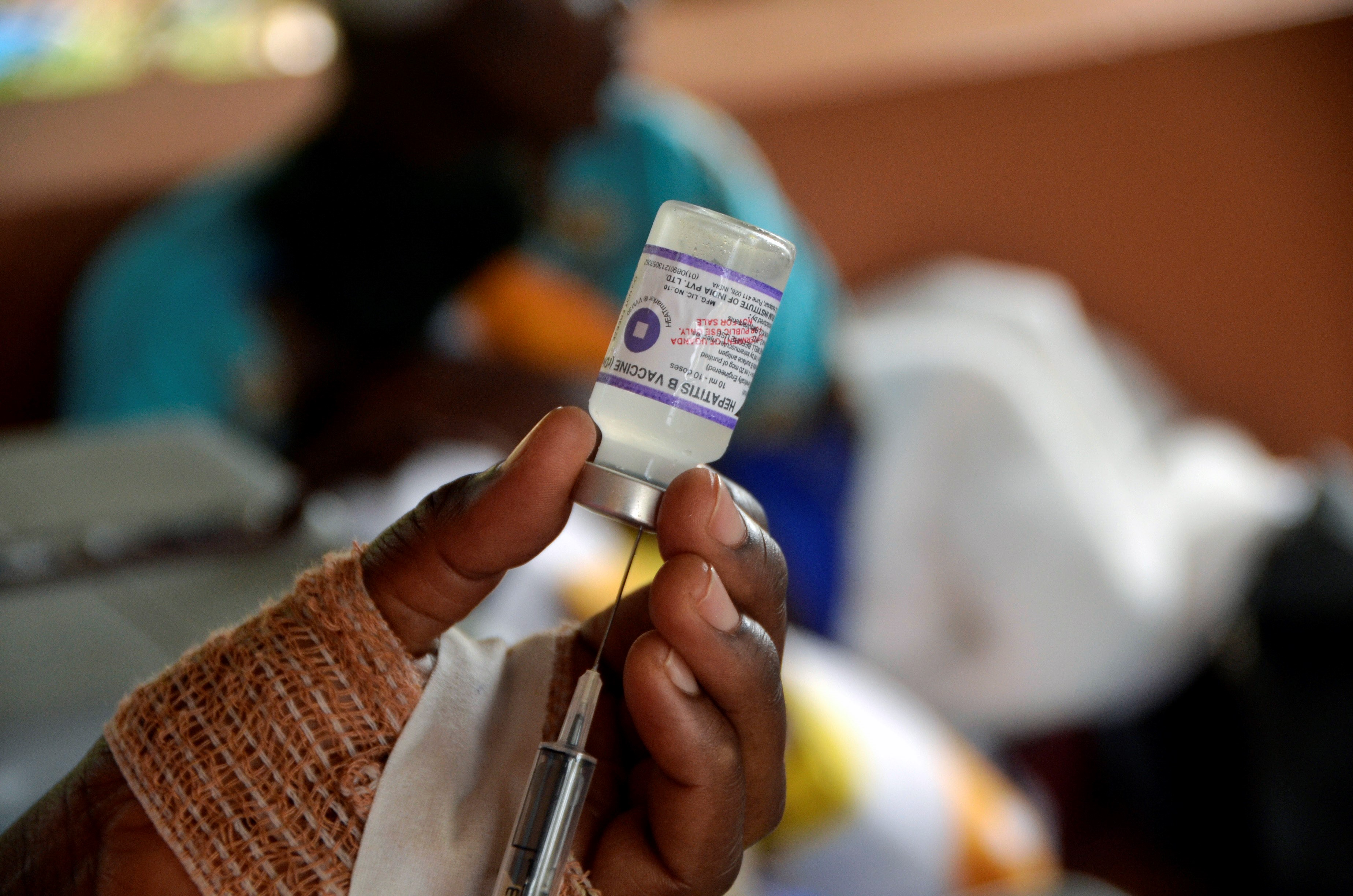
A US-funded hepatitis B vaccine trial on newborns in Guinea-Bissau was officially canceled after failing to obtain necessary government approval and facing intense international criticism. The lead researcher stated on LinkedIn that the study would not move forward, and Ars Technica confirmed the formal cancellation. [2] [3]
-
Ethical and Regulatory Scrutiny Intensifies
Both episodes underscore the critical role of transparent ethical review and public trust in infant vaccine research. The rapid collapse of each trial—one due to police action and the other to political and community backlash—highlights the fragility of studies that lack clear regulatory endorsement or informed consent protocols. [1] [2] [3]