Dolly Parton's Death Unites Americans Across Divides
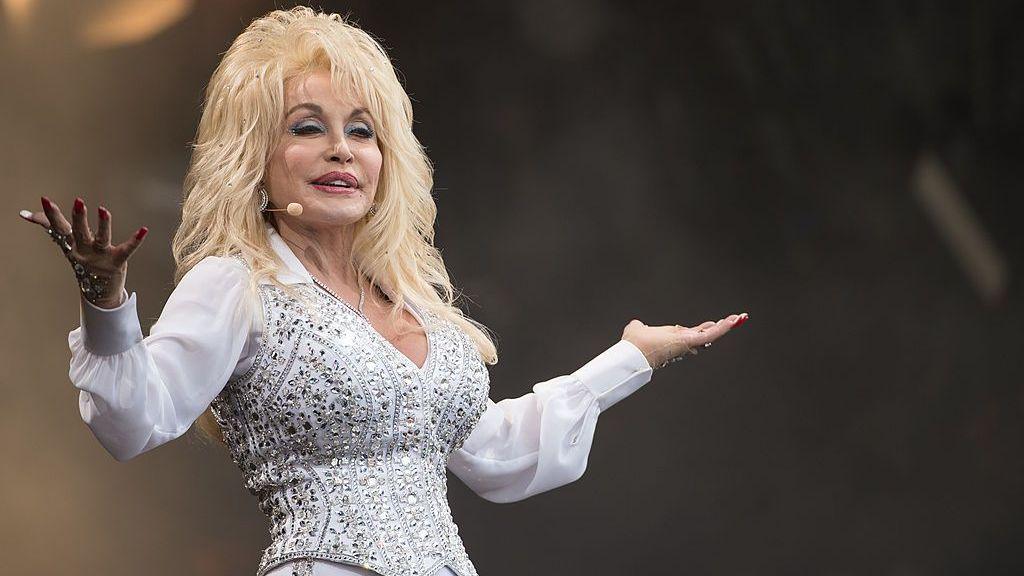
Dolly Parton, the legendary country singer-songwriter, died at age 80, prompting tributes from figures across music, politics, and entertainment. Her appeal spanned generations and political divides, making her a rare unifying figure in American culture.
Dolly Parton, the legendary country singer-songwriter, died at age 80 on Tuesday after a brief battle with cancer, prompting an outpouring of tributes from across the music, political, and entertainment worlds. Her death has highlighted her unique status as one of the few figures able to unite Americans across political and generational divides, a rarity in today's polarized climate.
-
A rare unifying figure in polarized America
A YouGov poll cited by the BBC showed Parton's net approval rating at 65%, far surpassing other public figures: Barack Obama at 14%, Taylor Swift at 3%, Donald Trump at -19%, and Joe Biden at -18%. Parton deliberately avoided partisan politics, once saying, "I've got as many Republican fans as Democrats and I don't want to make any of them mad at me, so I don't play politics." She twice declined the Presidential Medal of Freedom from Donald Trump, citing scheduling and health reasons, and then declined it from Joe Biden to avoid appearing to favor one president over the other. Following her death, Trump ordered American flags to be flown at half-mast, an honor usually reserved for elite statesmen and judges, and wrote, "There has never been anyone like her, and never will." [4]
-
Philanthropy: from literacy to Covid-19 vaccine funding
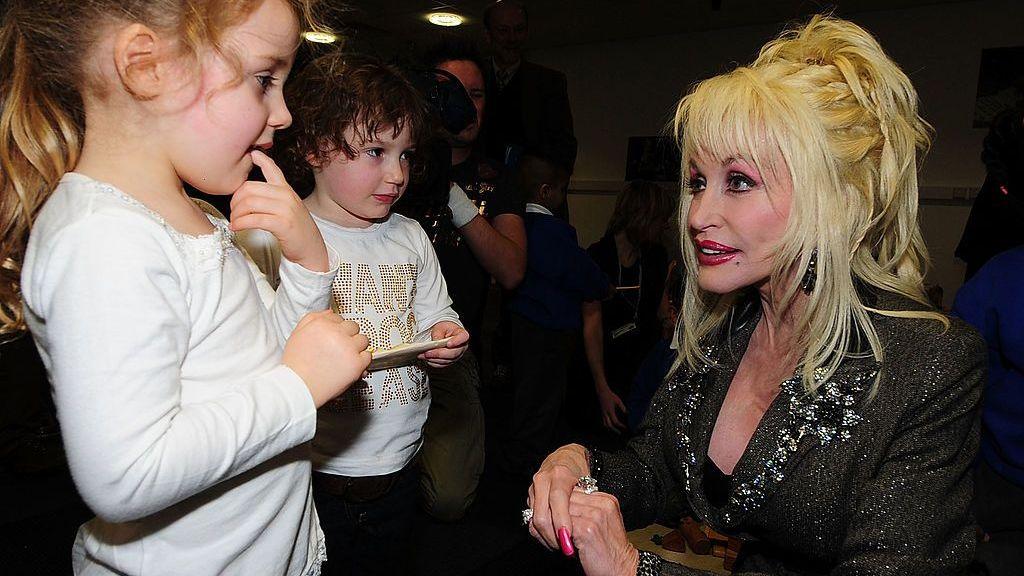
Parton's Imagination Library, launched in 1995 and inspired by her father's illiteracy, has sent over 332.4 million free books to children under five across the US, Canada, UK, Ireland, and Australia. In 2020, she donated $1 million to Vanderbilt University Medical Center, which helped fund the early-stage trial of the Moderna Covid-19 vaccine, which showed nearly 95% protection against severe disease. She also funded a $1 million benefit concert in 2007 for a hospital and cancer center in Sevier County, Tennessee, and donated another $1 million to Monroe Carell Jr. Children's Hospital after her niece was treated for leukemia there. In 2022, she received the Carnegie Medal of Philanthropy, which honored her as "one of the entertainment world's most generous philanthropists." [7]
-
Business savvy: turning down Elvis and owning her masters
In 1974, Elvis Presley wanted to cover Parton's song 'I Will Always Love You,' but his manager, Colonel Tom Parker, demanded half of the publishing rights. Parton refused, saying, "I can't give you half the publishing. I'm gonna leave that to my family," and cried all night after the deal fell through. When Whitney Houston recorded the song for 'The Bodyguard' in 1992, Parton still owned the rights and earned "enough money to buy Graceland," which she invested in a Black neighborhood in Nashville to honor Houston's legacy. This decision is cited as an inspiration for Taylor Swift's later fight to own her masters, which Parton called "smart" and "amazing." [6]
-
Tributes from across the musical spectrum
Tributes poured in from artists of all genres, including Miley Cyrus, who called Parton her godmother and "angel by my side," and Taylor Swift, who praised her "true grace and true grit." Beyoncé, who covered 'Jolene' on her 2024 album 'Cowboy Carter,' called Parton "the barometer" and "the North Star." Even rapper Eminem, who never met Parton, shared that she sent him a note when he was inducted into the Rock & Roll Hall of Fame, saying, "Even for a kid who mostly listened to rap music, she was an icon." Sir Paul McCartney, who collaborated with Parton on a cover of 'Let It Be' for her 2023 album 'Rockstar,' said her "songwriting, her singing and her philanthropy were unrivaled in the world of country music." [3] [5]
-
From poverty to global icon: her early life and rise
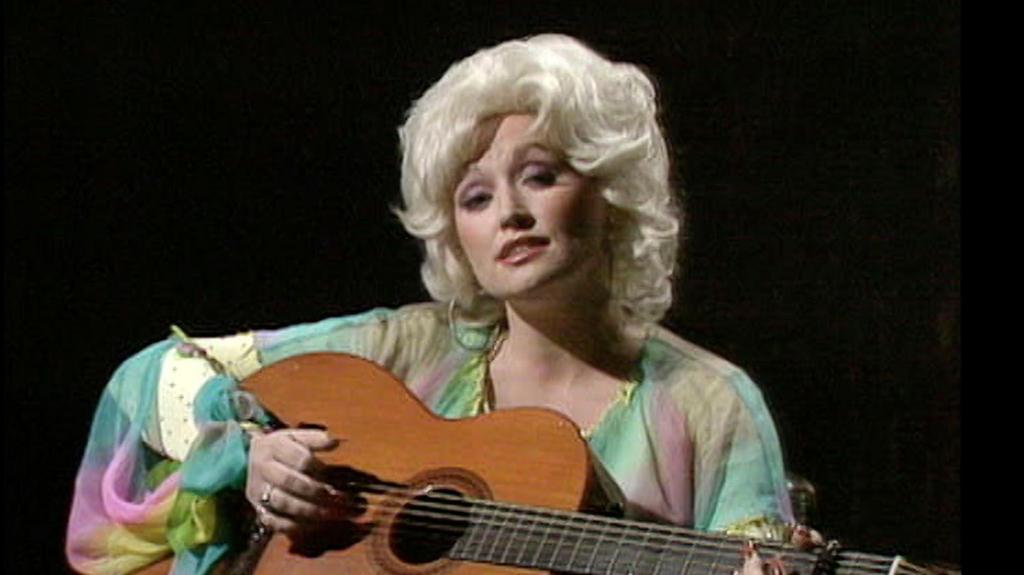
Parton was one of 12 children raised in a one-bedroom log cabin in the Smoky Mountains of Tennessee, where her father was a tobacco farmer. She wrote her first song, 'Little Tiny Tasseltop,' at age six, and at 21 she joined 'The Porter Wagoner Show' as the "girl singer," releasing 21 hit duets with him. When she left to pursue a solo career, Wagoner sued her for breach of contract in 1979, demanding $3 million; she settled for about $1 million. Her 1971 song 'Coat of Many Colors,' about growing up poor but rich in love, was her personal favorite and has been covered by Shania Twain and Eva Cassidy. [2] [6]