Five Days: Two Tragedies Unfold in Politics and Sports
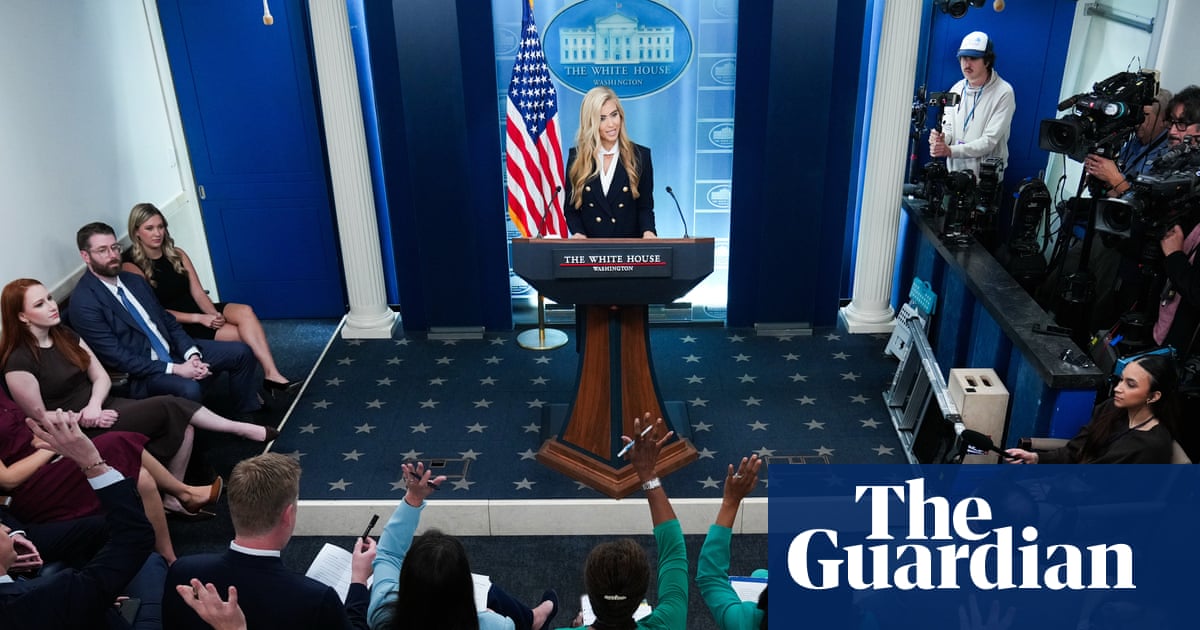
Katie Zacharia was fired as White House press secretary after five days, following a poorly received first briefing and scrutiny over failing the bar exam. Meanwhile, Southern Nazarene University safety Tyler Ulrich, 21, died five days after sustaining a traumatic injury during.
Two separate tragedies unfolded over five days in October 2026: Katie Zacharia was fired as White House press secretary after a brief, contentious tenure, and college football player Tyler Ulrich died five days after sustaining a traumatic injury during a game. Both events, though unrelated, highlight distinct pressures and unresolved risks in politics and sports.
-
Press Secretary Tenure Cut Short by Vetting and Performance Gaps
Katie Zacharia was fired just five days after her appointment, following a poorly received first briefing and scrutiny over her failure to pass the bar exam. The rapid dismissal underscores potential weaknesses in the White House’s vetting process and raises questions about how communications staff are prepared for high-stakes public roles. Neither the administration nor Zacharia has publicly commented on the specific reasons for her departure. [1] [2]
-
Legal Credentials Become Point of Contention for Political Appointees
Zacharia’s admission that she did not pass the bar exam became a focal point of media coverage, reflecting broader public and political scrutiny of appointees’ qualifications. This incident may signal tighter expectations for legal credentials in future press secretary selections, but it remains unclear whether formal requirements will be introduced. The lack of an official White House announcement about the firing leaves room for speculation about internal decision-making. [1]
-
College Football Death Exposes Unanswered Safety Questions
Southern Nazarene University safety Tyler Ulrich, 21, died five days after a traumatic injury during a Division II game, but the school has not disclosed the cause or nature of the injury. The delayed release of details heightens concerns about player safety protocols and emergency response consistency across college football levels. Without a public investigation or medical report, families and athletes face unresolved risks regarding the adequacy of on-field care and transparency. [3]