Houthi Missile Strikes Riyadh Airport Escalate Gulf Conflict
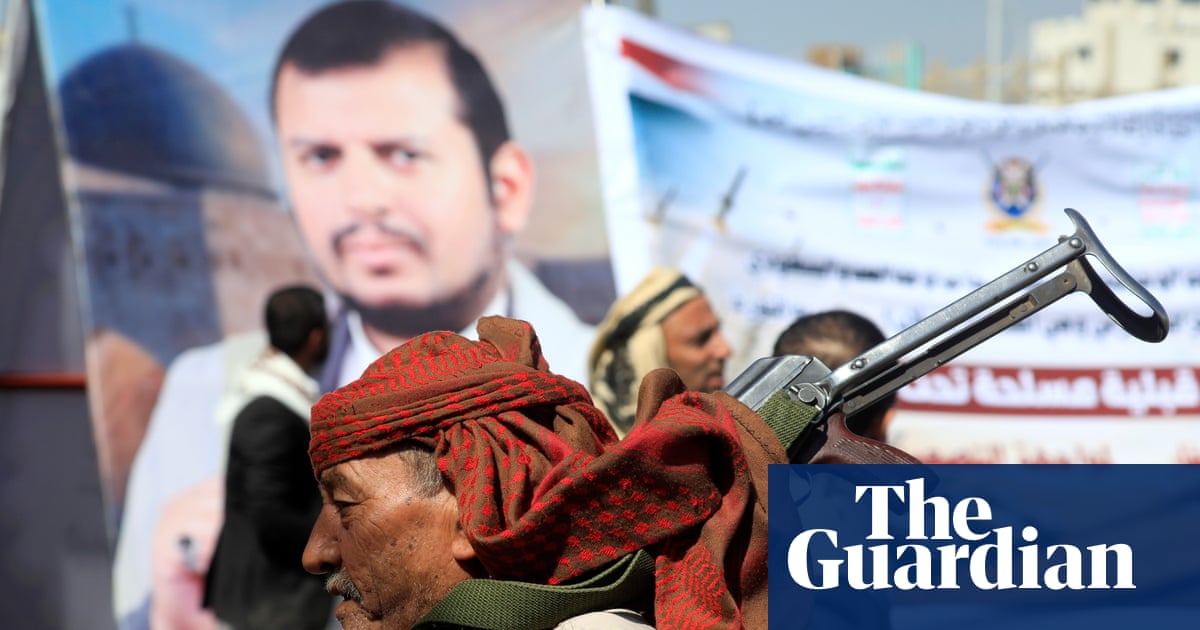
Yemen's Houthis launched missile attacks on Riyadh's King Khalid International Airport over the weekend, killing 13 people and wounding over 300, according to Saudi coalition officials. The attacks targeted two airports and oil facilities, prompting Saudi Arabia to vow.
The Houthi missile strikes on Riyadh's King Khalid International Airport mark a significant escalation in the Gulf conflict, with the deadliest attack on a Gulf country since the war with Iran began. The attack not only inflicted casualties but also exposed vulnerabilities in Saudi Arabia's security and its reputation for stability, while forcing the US to reconsider its diplomatic strategy ahead of midterm elections. Unresolved risks include further Houthi strikes on civilian infrastructure and potential US military involvement.
-
Impact on Saudi Stability
The attack on Riyadh airport, the second in two days, has damaged Saudi Arabia's reputation as a stable hub in the region, according to BBC analysis. While physical damage can be repaired, the psychological and reputational effects may persist, undermining confidence in the kingdom's security. [2] [5]
-
US Strategic Reassessment
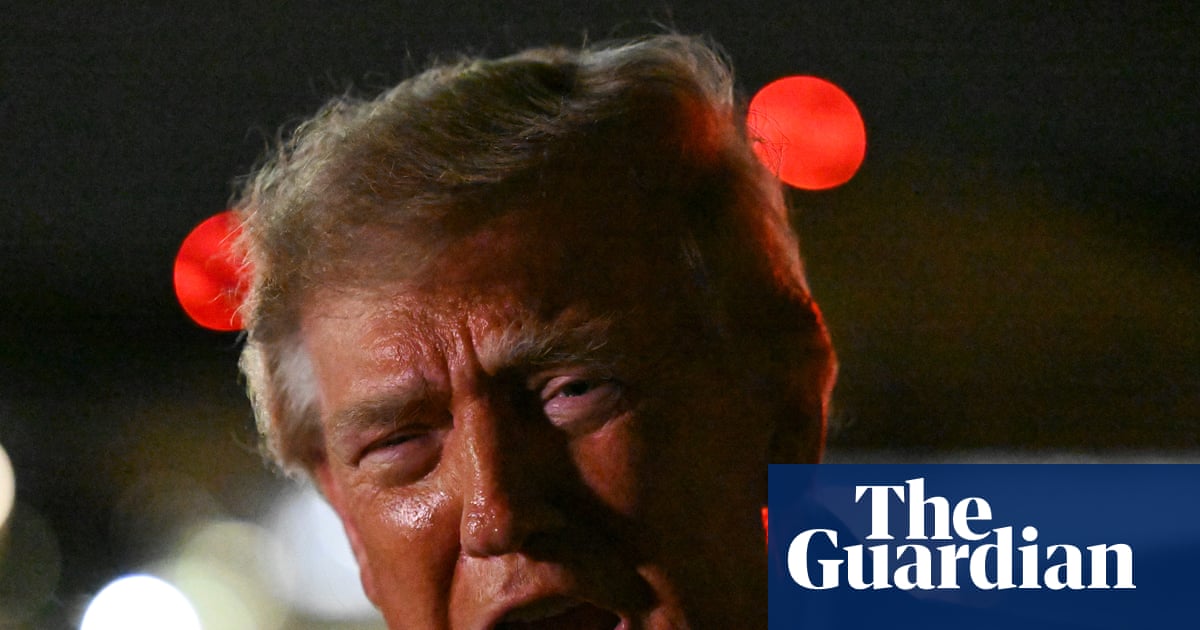
The Houthi attack forced US President Donald Trump to reconsider his strategy of downplaying conflicts in Iran and Yemen while blaming Ukraine for high diesel prices ahead of midterm elections. The attack unravelled his plan to keep political temperature low, as the US now considers joining the Saudi military campaign. [3] [4]
-
Escalation and Retaliation Risks
The Saudi-led coalition has vowed to 'respond firmly' to the attack, which killed 13 people and wounded over 300. The Houthis warned people to avoid Saudi airports, and the US indicated it could intervene, raising the risk of a broader regional conflict involving Iran. [1] [4] [5]