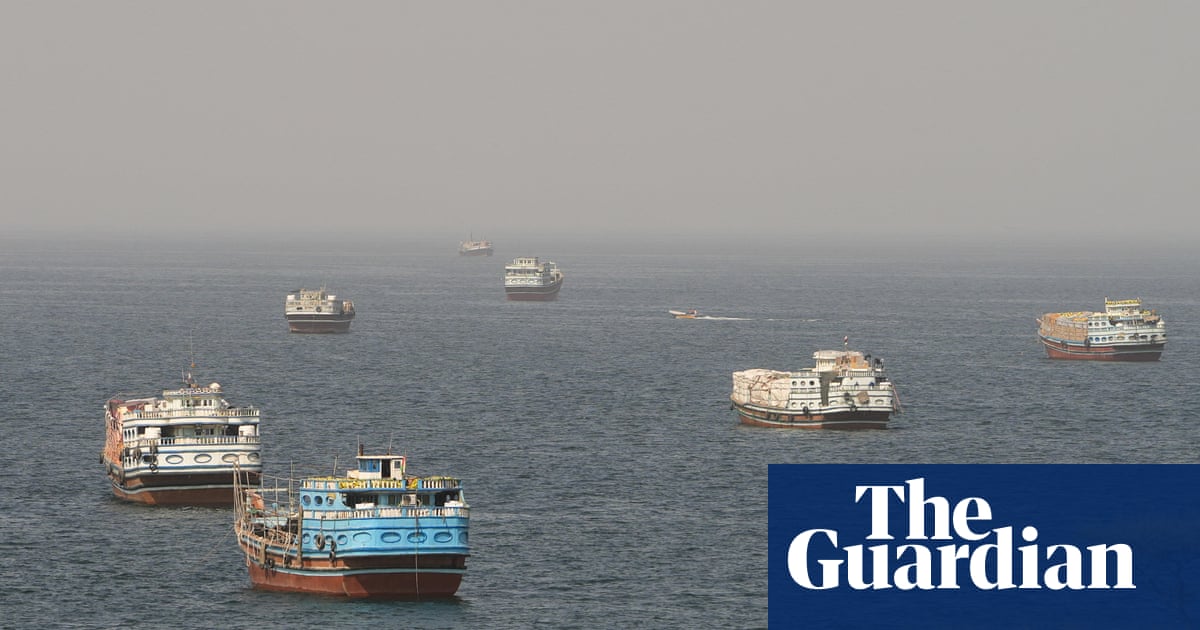
Oil Surges to Five-Month High as Hormuz Attacks Spark Supply Worries
Brent crude rose 3% to $112 a barrel, its highest since May 18, after attacks on tankers in the Strait of Hormuz and Saudi Arabia raised supply concerns. Global shares fell, led by tech and AI stocks, as investors weighed Middle East escalation.
The following facts expand on the summary by detailing the nature of the attacks, the resulting market shift, and the unresolved risks to global oil supply through the Strait of Hormuz, all drawn directly from provided sources.
-
Attack Details and Supply Threats
Iran’s Revolutionary Guard Corps claimed to have hit four vessels in the northern Gulf, while three additional tankers struck mines near the Strait of Hormuz. These incidents directly threaten the world’s most critical oil chokepoint, through which about 20% of global petroleum passes, raising serious supply concerns. [1] [2]
-
Risk-Off Sentiment Hits Equities
Major stock indexes fell sharply as technology and AI-related shares led declines, with investors rotating into safe-haven assets amid heightened geopolitical uncertainty. The dual shock of rising oil prices and equity losses mirrors patterns seen during prior Middle East escalations and reflects broad risk aversion. [1] [3] [4]
-
Unresolved Strait of Hormuz Risks
The attacks underscore persistent vulnerabilities in maritime security near Iran, where prior incidents have led to temporary shipping disruptions. Without clear de-escalation, oil supply premiums are likely to remain elevated, raising costs for import-dependent economies and keeping markets on edge. [1] [2]