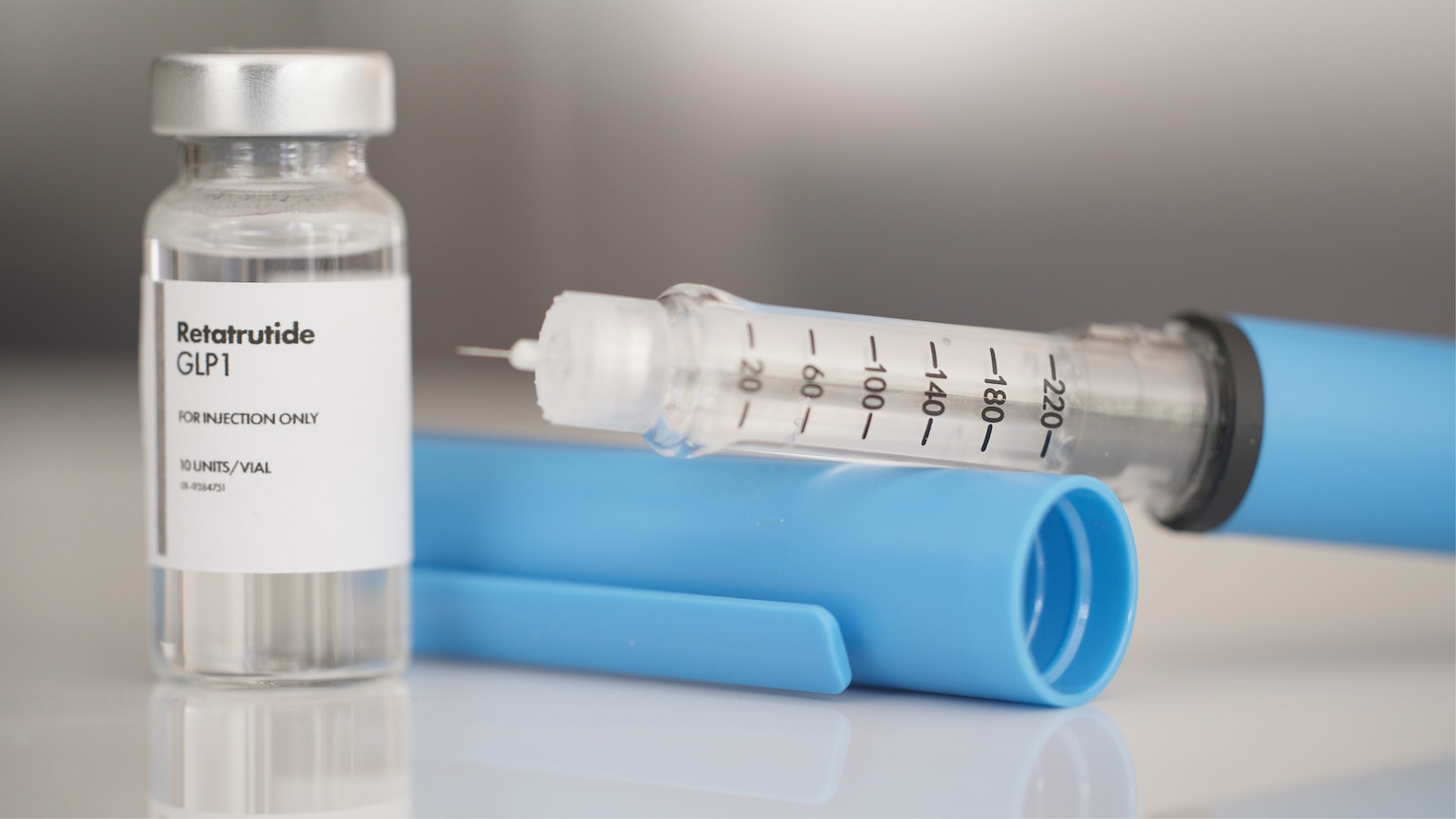
Retatrutide Doubles Weight Loss But Needle Waste Piles Up
Eli Lilly's retatrutide shows double the weight loss of Ozempic in a head-to-head trial, while recycling facilities report a surge in discarded needles from weight-loss injections.
Eli Lilly's retatrutide has demonstrated significantly greater weight loss and glycemic control than Ozempic in a head-to-head trial, offering a promising new option for obesity and diabetes. However, the accompanying surge in disposable injector pens is already straining recycling systems, raising environmental and safety concerns that remain unresolved.
-
Clinical superiority confirmed in head-to-head trial
Eli Lilly's phase 2 trial showed that retatrutide achieved more than double the weight loss of Ozempic's highest approved dose, along with greater reduction in A1C. Over 48 weeks, participants lost up to 24.2% of body weight, compared to up to 13.7% with semaglutide. The findings position retatrutide as a potential best-in-class incretin therapy. [1] [2] [3]
-
Recycling facilities overwhelmed by discarded needles
BBC News reports that recycling centres in the UK are seeing a sharp rise in used needles and injection pens being disposed of in household waste. These items pose serious injury and contamination risks to workers and must be separated for specialist disposal, but public awareness and infrastructure lag behind the growing use of weight-loss injections. [4]
-
Waste management challenge will deepen with wider adoption
As retatrutide and similar self-injected drugs gain market share — Eli Lilly plans to scale production if approved — the volume of disposable injectors will rise substantially. Recycling industry leaders warn that without coordinated take-back programmes or alternative delivery systems, the needle waste problem will intensify, compounding existing safety and environmental risks. [3] [4]