← Back to trending

Scientists Solve 1840s Space Weather Mystery: Researchers used 1840s

🐿️ The Squirrel's Take
This discovery shows that even 180-year-old weather data can yield new insights when cross-referenced with modern satellite records.
💡 Why it matters
Understanding historical solar storms helps predict future space weather events that could disrupt power grids and satellite communications.

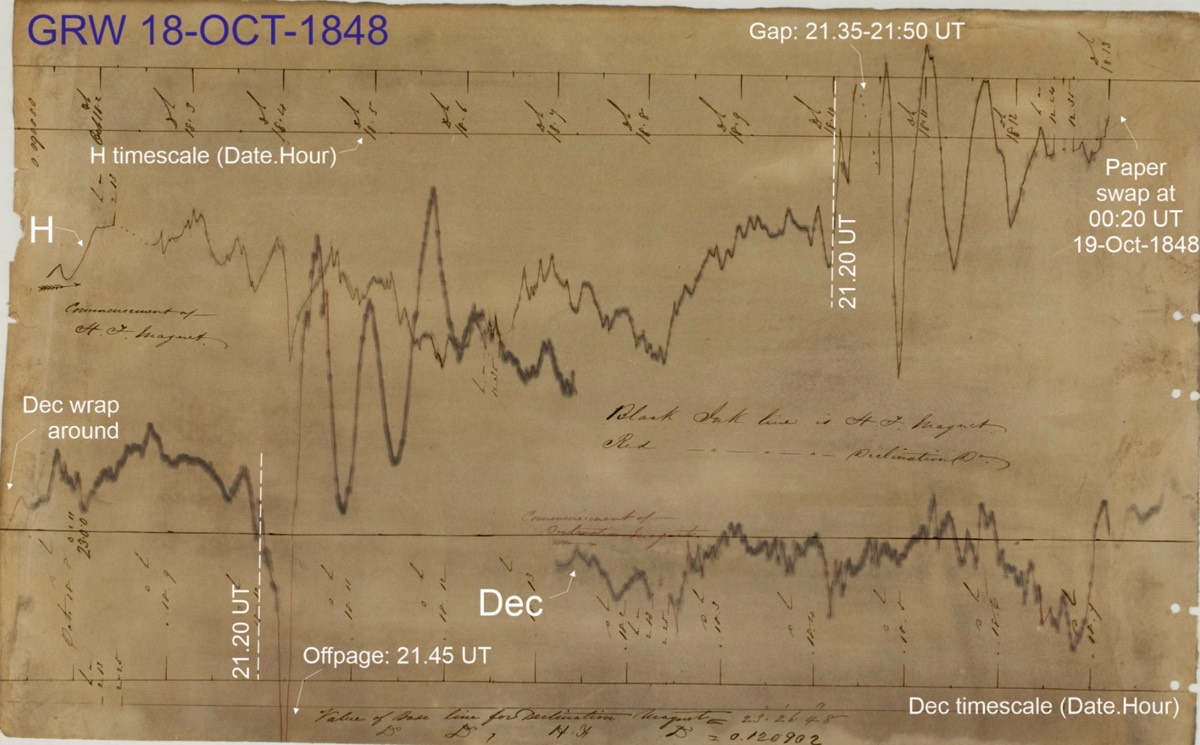
Researchers used 1840s aurora reports and modern solar data to reconstruct a massive solar storm that occurred in 1843, solving a long-standing mystery about why the aurora appeared unusually low in latitude. The study reveals the storm rivaled the famous 1859 Carrington event.

📡 Where we spotted it (1)
Ars Technica
Scientists solve 1840s space weather mystery
11h ago
›
🐿️ Keep digging
🚀 🐿️ The orbital insertion validates the complete Super Heavy booster and Starship upper-stage stack, moving SpaceX from suborbital hop tests to iterative orbital flight campaigns. SpaceX Starship Reaches Orbit After Dramatic First Flight › 🚀 🐿️ This hybrid brain tech turns mice into walking brain labs, raising ethical questions about how human we let them become. Stanford Develops Human-Mouse Brain Hybrid: Researchers at Stanford › 🚀 🐿️ As fellow ground-dwelling rodents, squirrels applaud the spotlight on marmots' struggle against climate change—hopefully this week brings more nuts to their cause. Fat Marmot Week Kicks Off with Conservation Goal ›
← Back to trending