Spain High-Speed Train Crash Claims 69 Lives: A high-speed train
A high-speed train collision in Spain killed 69 people, including citizens from the US, Japan, Australia, and other countries. The Spanish transport minister resigned following the disaster.
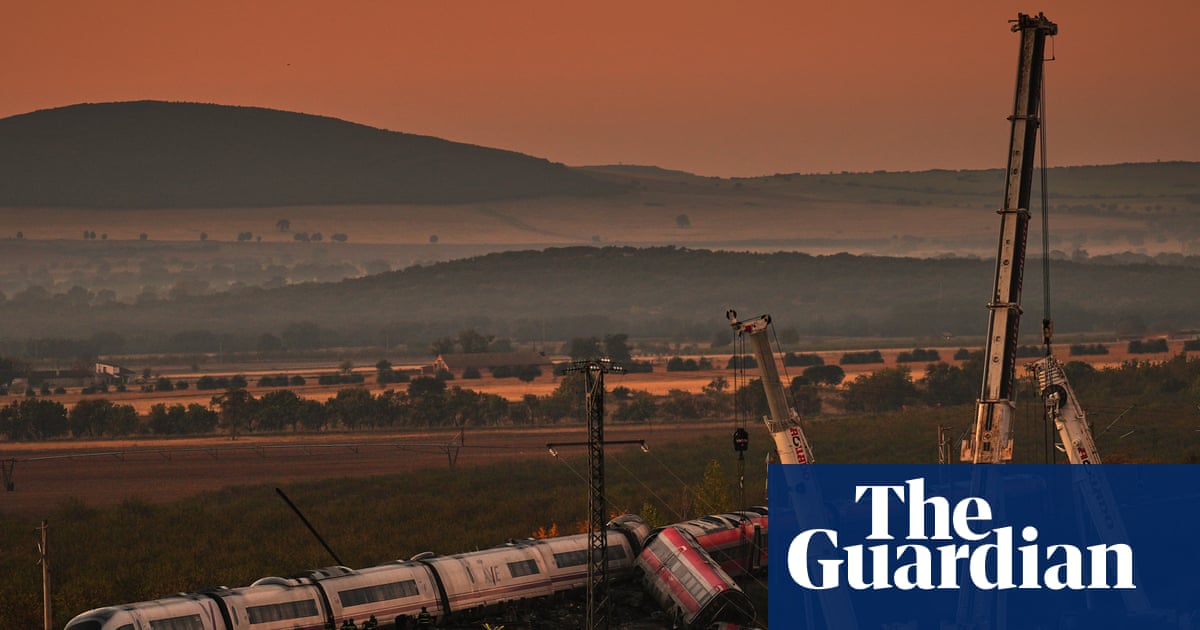
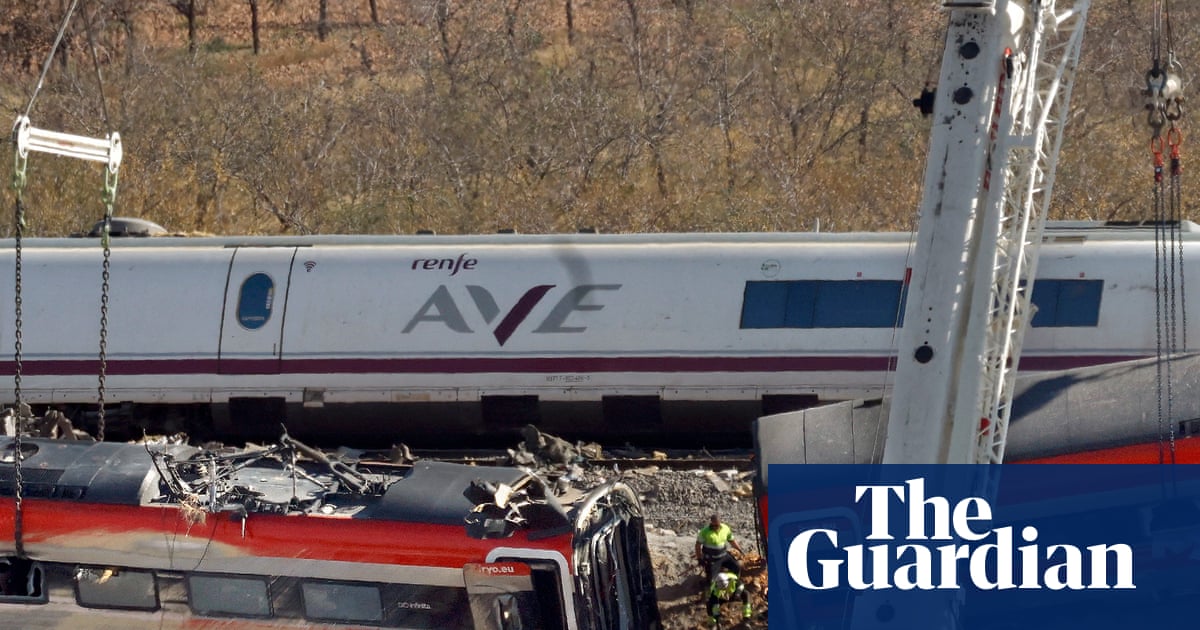
On 28 October 2026, a high-speed train operated by Spain's state-owned Renfe collided with a stationary Iryo train near Urda, killing 69 people and injuring dozens. The disaster, one of Europe's deadliest rail incidents this century, has triggered the resignation of Transport Minister Óscar Puente and intensified scrutiny of Spain's rail safety ahead of the 29 November general election.
-
Victim nationalities and identification process
The 69 victims included 54 Spaniards and 15 foreigners: four US citizens, two Australians, two Japanese, and one each from Argentina, Canada, France, Mexico, Portugal, Tunisia, and the Czech Republic. A legal body of police and forensics experts confirmed the identities in stages, with the last three (two Australians and a Japanese citizen) announced on 4 November. As of that date, all but three victims had been identified, and three missing-person reports remained active for two Australians and one Japanese citizen, whose families were expected to travel to Spain for in-person identification. [1] [3]
-
Political fallout and ministerial resignation
Transport Minister Óscar Puente resigned on 3 November, six days after the crash, after facing mounting pressure from opposition parties (the conservative People's Party and far-right Vox) and some government allies. He announced his decision in Congress, stating that a transport minister cannot remain in office after two serious accidents in less than a year, referring to the January crash in Andalusia that killed 46. Puente also withdrew his name from the electoral lists for the early general election, saying his decision was driven by 'political dignity'. [2]
-
International response and consular assistance
Australia's Department of Foreign Affairs and Trade confirmed on 4 November that it was providing consular assistance to the families of two Australians who died, with Foreign Minister Penny Wong sending condolences to her Spanish counterpart José Manuel Albares. Labor MP Jason Clare described the accident as 'something people never, ever recover from', adding that 'the whole country is in shock'. The identification process was prolonged because forensics teams sometimes had to identify victims from individual body parts. [3]