Supreme Court Rejects 9/11 Plea Deal: The Supreme Court on Monday
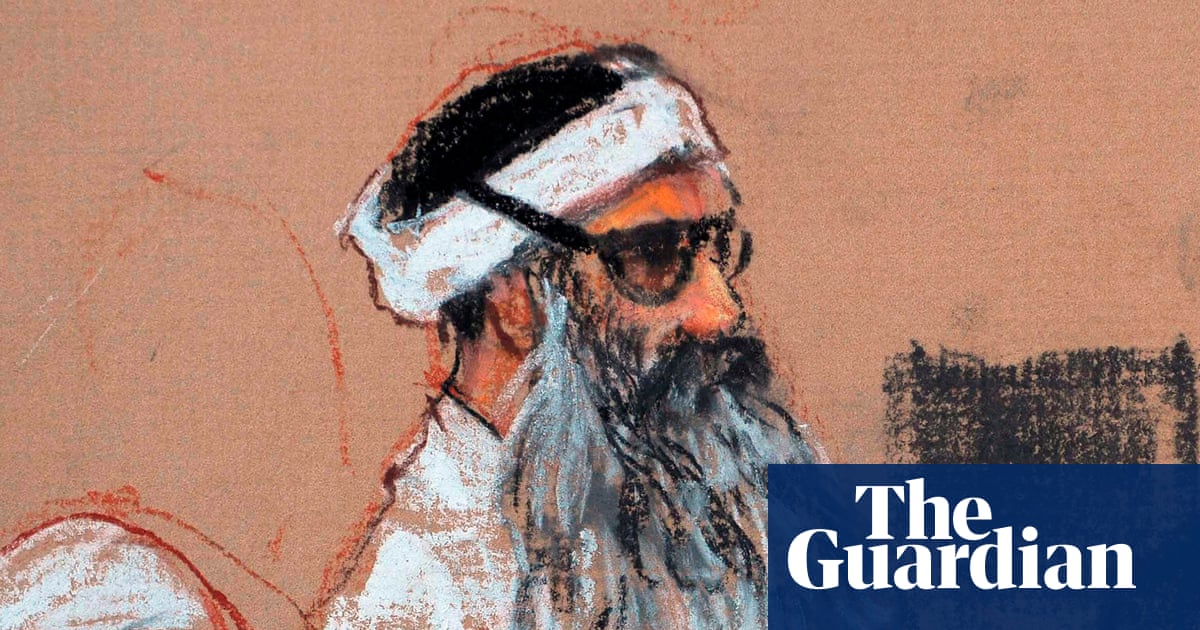
The Supreme Court on Monday refused to revive a plea deal that would have spared Khalid Sheikh Mohammed execution in exchange for a life sentence for his role in the 9/11 attacks. Justice Elena Kagan also publicly defended the court against claims it favors Trump while accusing.
The Supreme Court's Monday decision leaves Khalid Sheikh Mohammed without the proposed plea deal's protection against execution, while Justice Kagan's separate comments underscore institutional friction over the court's public standing.
-
Potential death penalty exposure remains
The rejected plea agreement would have allowed Khalid Sheikh Mohammed to plead guilty and receive life without parole, sparing him the risk of execution. With the Supreme Court refusing to revive it, that specific protection is not in place in his 9/11 case. [1]
-
Case trajectory stays unresolved
The ruling does not describe a new resolution for Mohammed's prosecution, and the Guardian's report notes only that the deal would have traded a guilty plea for a life sentence. The rejection leaves open how the proceeding will ultimately be handled, including whether capital punishment remains possible. [1]
-
Kagan voices separate institutional concerns
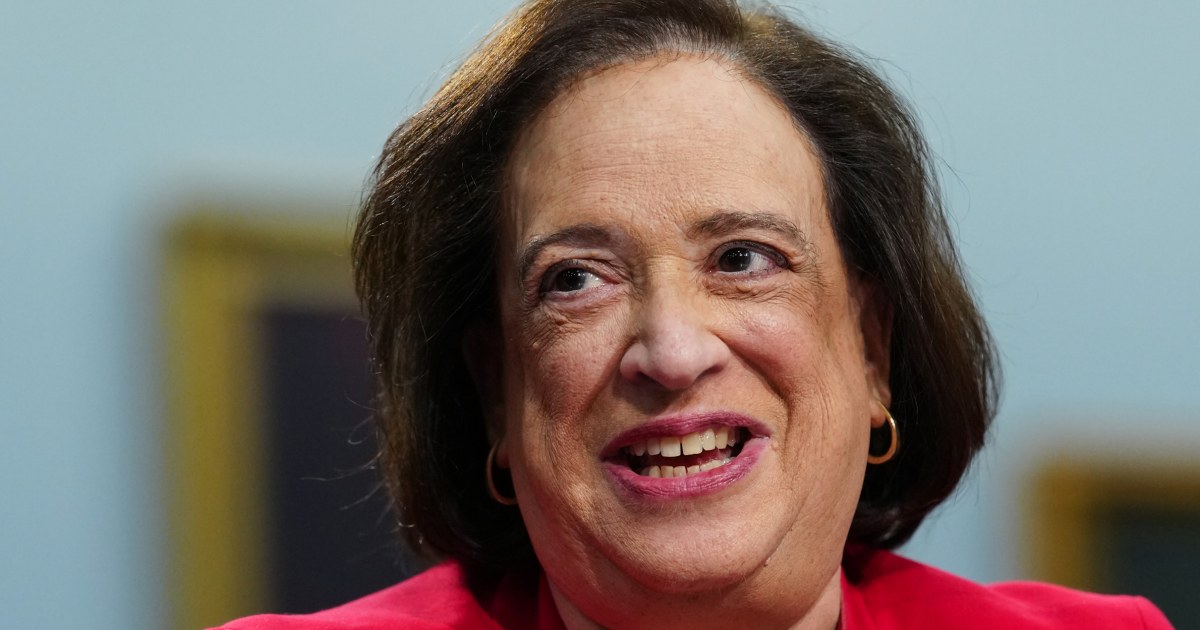
Justice Kagan called the idea that the Supreme Court is in Trump's pocket a 'bum rap,' a pushback reported by USA Today. At the same time, she accused the court's conservative majority of undermining democracy, according to NBC News. [2] [3]