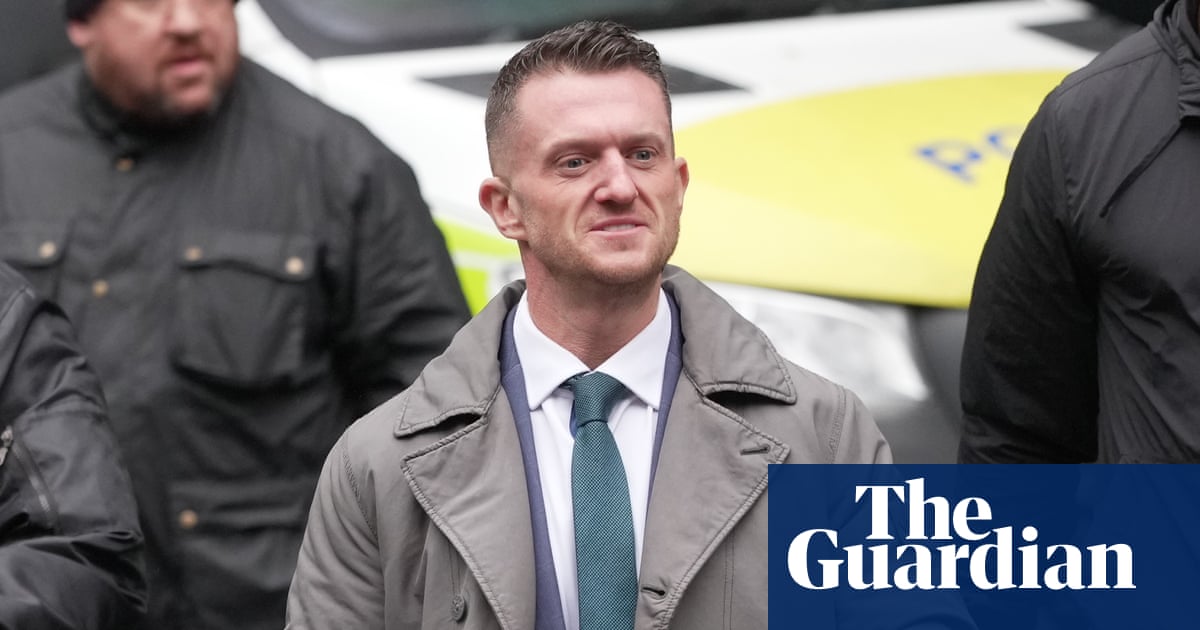
Tommy Robinson Trial Threatens Journalist Families Safety
Tommy Robinson left voicemail on Daily Mail editor Ted Verity threatening to make journalists' families 'famous' and hired private investigators to photograph their homes. He admitted to seeking pressure but denied intimidation during the harassment trial.
The Tommy Robinson harassment trial reveals a calculated campaign targeting journalists and their families, raising unresolved questions about the boundaries of legal pressure versus intimidation, and the chilling effect on press freedom.
-
Direct threats to families and fear of vigilante attacks
Robinson left a voicemail for Daily Mail editor Ted Verity threatening to make journalists' families 'famous', prompting reporters to fear 'vigilante attack'. The court heard that the threats extended beyond the journalists themselves, targeting their loved ones to amplify pressure. [1] [2]
-
Use of private investigators to surveil journalists' homes
Robinson admitted hiring private investigators to track down journalists and photograph their homes, stating the goal was 'to put pressure' on them. He denied that sharing images of a journalist's wife and daughter constituted intimidation, arguing it was legitimate pressure. [2] [3]
-
Unresolved risk: legal ambiguity between pressure and harassment
The trial highlights a contested legal line: Robinson claims his actions were lawful pressure, while prosecutors argue they amount to harassment with potential for real-world harm. The outcome could set a precedent for how far activists can go in targeting journalists without crossing into criminal intimidation. [1] [3]