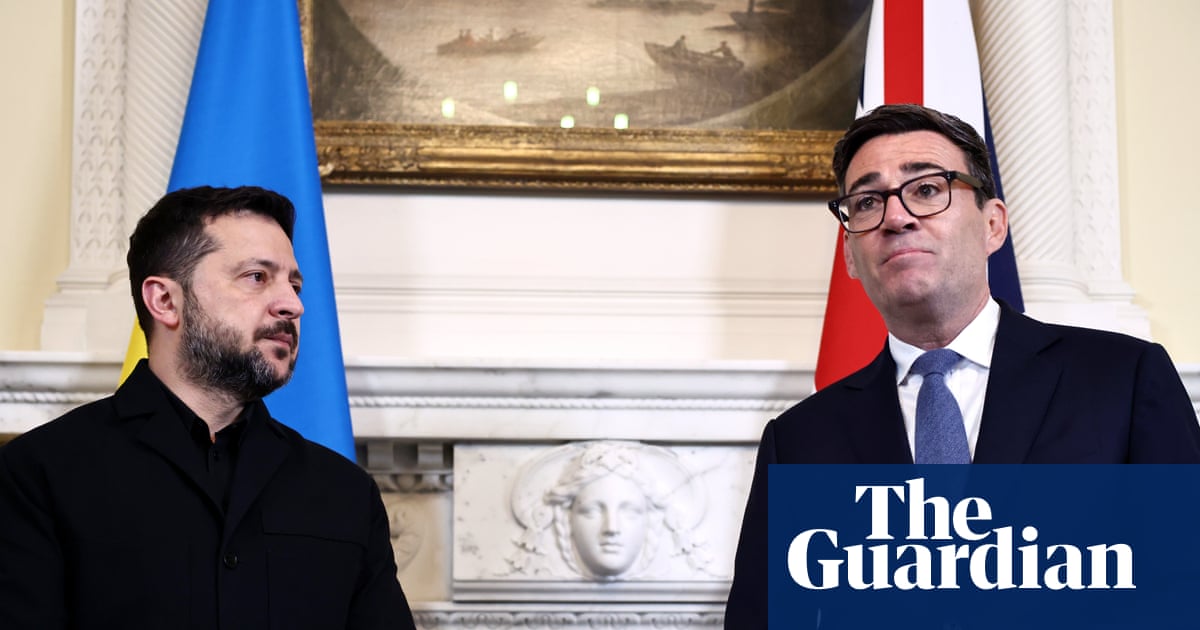
Trump Faces Backlash Over Starlink and Iran War Claims
Volodymyr Zelenskyy accused Donald Trump of betraying Ukraine by squeezing military access to Elon Musk's Starlink satellite system. Meanwhile, Trump claimed the Iran war will end 'as soon as I want it to' during midterm rallies.
Recent developments in U.S. foreign policy under President Trump have generated significant backlash and uncertainty. Ukrainian President Zelenskyy's accusation of betrayal over restricted Starlink access conflicts with Trump's assertive claims about ending the Iran war, raising questions about the consistency and reliability of American commitments on the global stage.
-
Starlink access restrictions strain U.S.-Ukraine relations
Volodymyr Zelenskyy has publicly stated he feels 'betrayed' by Donald Trump after Ukraine's military faced reduced access to Elon Musk's Starlink satellite system. The Ukrainian president accused Trump of siding with Russia, damaging trust in long-term U.S. support for Kyiv's defense against invasion. [1]
-
Trump's confident Iran war projection lacks detail
During a midterm rally, Trump declared the Iran war will end 'as soon as I want it to,' projecting unilateral control over a complex conflict. The statement came amid economic uncertainty and offered no specifics on strategy or diplomatic engagement. [2]
-
Unresolved risks in U.S. foreign policy signaling
The simultaneous pressures on Ukraine and assertive posture on Iran highlight a pattern of unilateral decision-making that may erode allied confidence. Neither the Starlink dispute nor the Iran conflict has a clear resolution pathway, leaving both situations fraught with instability. [1] [2]