US Midterm Elections 2026 Referendum on Trump
Americans voted on November 3, 2026, in midterm elections deciding control of Congress, with 35 Senate seats, all 435 House seats, and 36 governorships contested. Democrats need a net gain of four Senate seats and at least 218 House seats to reclaim both chambers.
On November 3, 2026, Americans voted in midterm elections that determined control of Congress, with all 435 House seats, 35 Senate seats, and 36 governorships contested. The results delivered a decisive rebuke to President Donald Trump, as Democrats flipped multiple Senate seats and won control of both chambers, reshaping the political landscape for the remainder of his term.
-
Democratic Senate gains and key flips
Democrats flipped Senate seats in Texas, Iowa, Kansas, North Carolina, South Carolina, and Ohio, according to The Guardian's live coverage. In Texas, Democrat James Talarico defeated Republican Ken Paxton, marking the party's first statewide win in over 30 years. In Kansas, Adam Hamilton unseated Republican Roger Marshall, becoming the state's first Democratic senator in nearly a century. In Ohio, former Senator Sherrod Brown defeated Republican Jon Husted in a special election, while in South Carolina, Democrat Annie Andrews beat Darline Graham, who had been appointed to fill the seat of her late brother, Senator Lindsey Graham. [2] [4]
-
House control and key flips
Democrats clinched 219 House seats, securing control of the lower chamber. Notable flips included Nebraska's second congressional district, where Democrat Denise Powell beat Republican Brinker Harding for the open seat vacated by retiring moderate Republican Don Bacon. In Texas's 23rd district, Democrat Katy Padilla Stout defeated Republican Brandon Hererra; the race was roiled after incumbent Tony Gonzales withdrew amid sexual misconduct allegations and a House ethics investigation. More than 100 Democratic women were elected to the House, a 60% increase in their representation since 2016. [4]
-
Record early voting and turnout
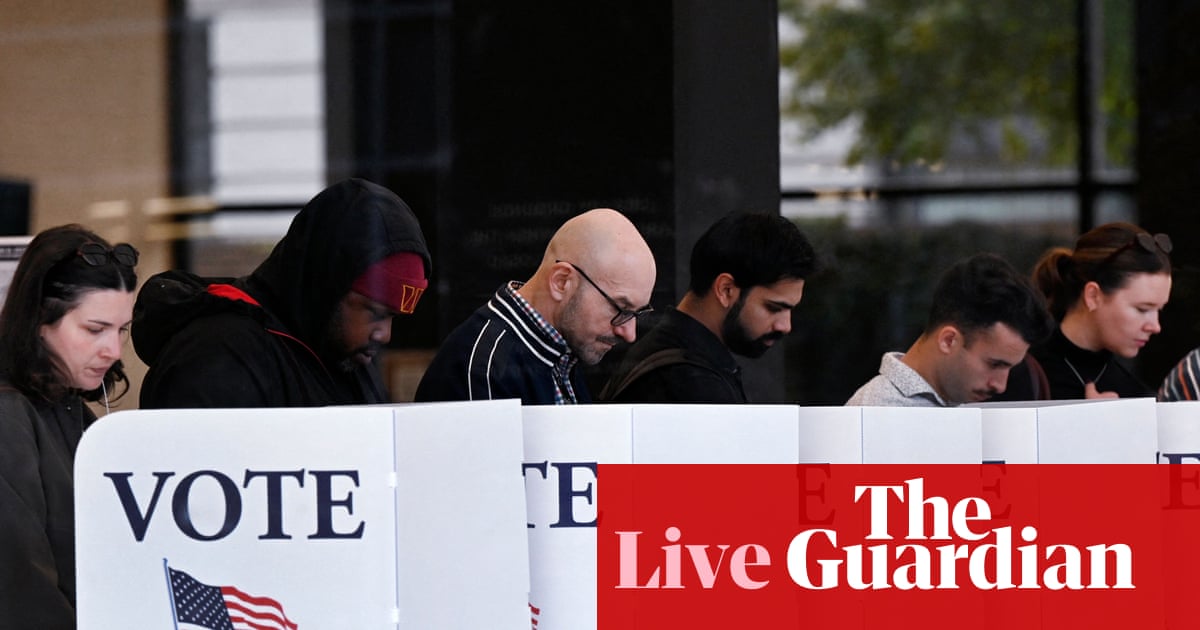
More than 56 million Americans cast early ballots before Election Day, with millions more voting on November 3. The surge in turnout was seen as a sign of high voter engagement. In Alaska, voters included Rita Forbes, an 80-year-old Vietnam War helicopter pilot who voted Republican, and Michael Comer, a 40-year-old who voted Democratic, citing concerns for his transgender wife's rights. The Guardian reported that voter dissatisfaction had turned races in even ruby-red states competitive. [1] [2]
-
Trump's response and Democratic reactions
President Trump, watching results from the White House, said on Fox News that he was open to working with Democrats, stating, "We're going to work with the Democrats to make sure things go well for our country," but added, "If I think it's not good, I'm just going to veto it." Former President Barack Obama wrote on social media that the American people sent a clear message for unity and concrete solutions. Senator Mark Kelly of Arizona posted, "The American people just impeached Donald Trump," while Senator Ed Markey joked about printing subpoenas. [4]
-
Gubernatorial races and notable outcomes
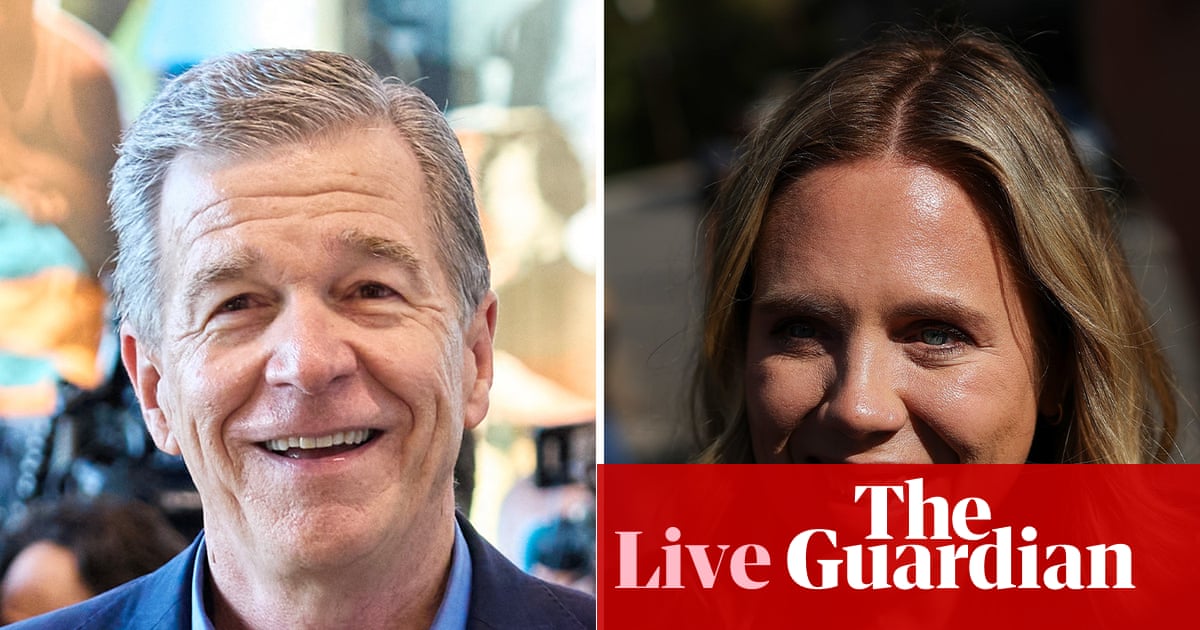
Democrats won several key governorships, including Michigan, where Secretary of State Jocelyn Benson won the gubernatorial race. In Oregon, incumbent Tina Kotek declared victory despite the race not yet being called by the Associated Press; her Republican challenger Christine Drazan refused to concede with nearly a third of votes uncounted. In Nevada, Democratic attorney general Aaron Ford was challenging Republican governor Joe Lombardo in a race that was still too close to call. In California, Los Angeles mayor Karen Bass was in a tight race against challenger Nithya Raman, with early returns showing Bass with a narrow lead. [2] [4]