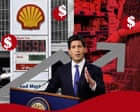
US Midterm Elections: Economy and Inflation Key Issues
With just over two weeks until the November 3 midterm elections, the US economy and rising inflation at 3.7% are top voter concerns. Key races will determine control of Congress and define Trump's final two years.
The supplied sources show that inflation is a central voter concern, but the broader economic and electoral picture remains contested. Key implications include pressure on economic messaging and scrutiny of Federal Reserve leadership, while unresolved questions about race outcomes and external events persist with just over two weeks before the vote.
-
Inflation keeps climbing on fuel costs
US inflation rose to 3.7% in the year to September, a faster-than-expected increase driven largely by higher motor fuel prices. The Guardian reports that food and gas prices remain high and consumers are described as angrier than ever, making the cost of living a continuing constraint on economic confidence. [3] [2]
-
New Fed chair adds a variable before the vote
The Guardian notes that Kevin Warsh took over as Federal Reserve chair this year, placing monetary policy leadership in a sensitive pre-election period. The source does not explain Warsh's policy approach, but the leadership change is presented as part of the economic backdrop voters face. [2]
-
Congressional control and unexpected risks remain open
BBC News frames the midterms as races that will decide control of Congress and define Trump's final two years in office. The Guardian's Q&A also raises unresolved questions about whether Trump's economy will hurt Republicans and whether the Iran war could affect his political standing, none of which are settled in the sources. [1] [2]