White House Orders Contractors to Clear Congressional Inquiries
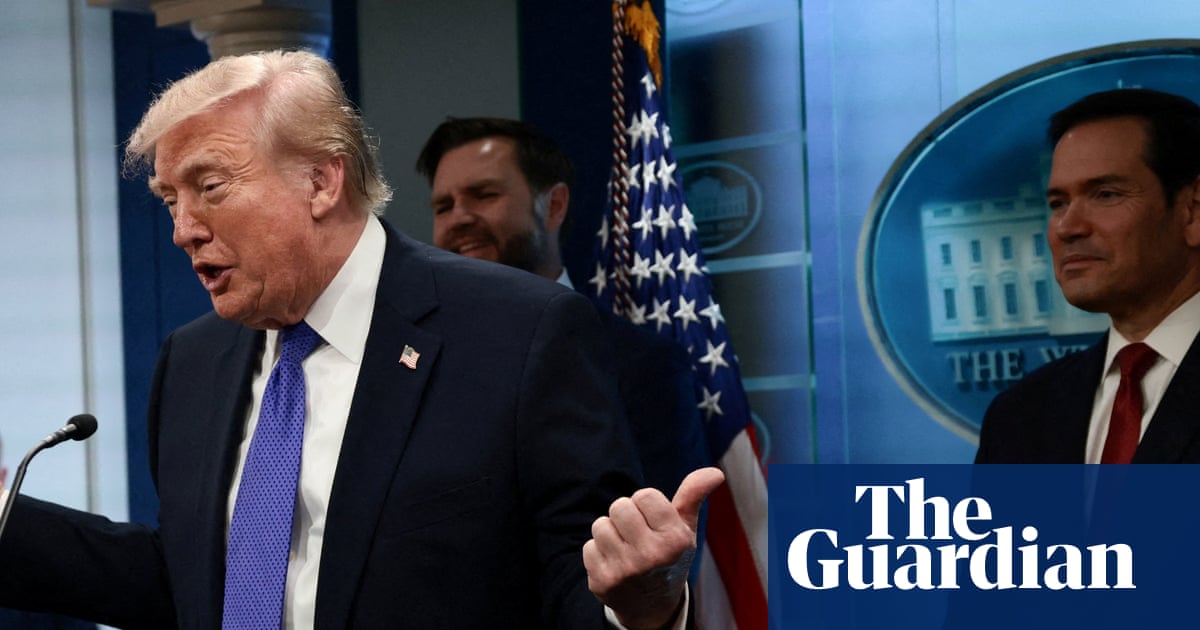
President Trump issued an executive order requiring federal contractors to consult the White House before responding to congressional inquiries, threatening contract termination for non-compliance. The order aims to stymie oversight efforts amid anticipated Democratic requests.
President Donald Trump issued an executive order on Friday, November 20, 2026, requiring federal contractors and subcontractors to consult with the White House before responding to congressional inquiries, with threats of contract termination for non-compliance. The order is a preemptive move to limit Democratic oversight efforts when they take control of Congress in January 2027, particularly targeting investigations into federal contracts linked to Trump's family.
-
Scope and enforcement of the executive order
The executive order applies to all federal contractors and subcontractors, a universe of tens of thousands of businesses. It mandates that these companies coordinate with the White House and U.S. agencies on 'appropriate responses' to congressional requests and withhold any communications the White House considers privileged. Failure to comply could result in contract termination and suspension of future federal work, according to the order's text. [3] [4]
-
Democratic response and document preservation efforts
Representative Robert Garcia, a California Democrat, sent letters this week directing members of Trump's family and top administration officials to preserve documents. Scharf dismissed these requests, noting that Democrats are not yet in the majority and cannot compel compliance. In response to the executive order, Garcia called it part of the administration's 'blatant attack on Congress' constitutional right to conduct oversight' and said, 'we're just getting started.' [3] [4]
-
White House framing and legal context
The White House fact sheet framed the new requirements as 'protecting executive privileges from congressional overreach,' arguing that some congressional leaders have tried to intrude on executive branch privileges by 'harassing private companies that contract with the federal government.' Presidents of both parties have historically used executive privilege to resist congressional inquiries, but such claims can lead to protracted legal battles, as the protection is not absolute. [3] [4]