Octopus Energy urges households to reduce usage during solar eclipse
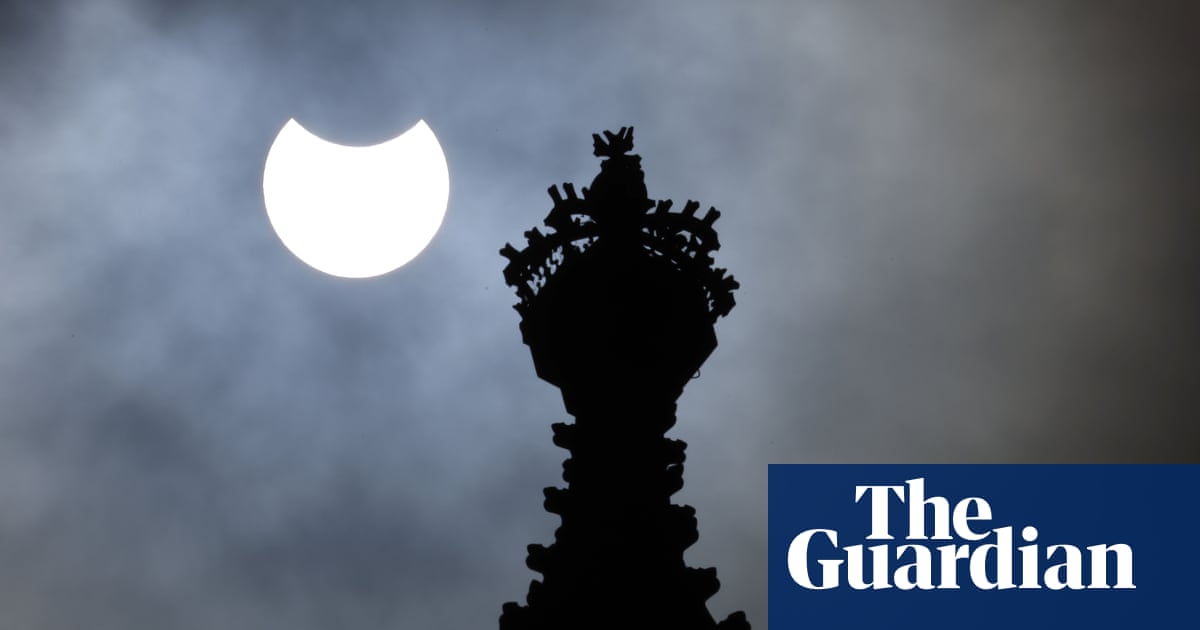
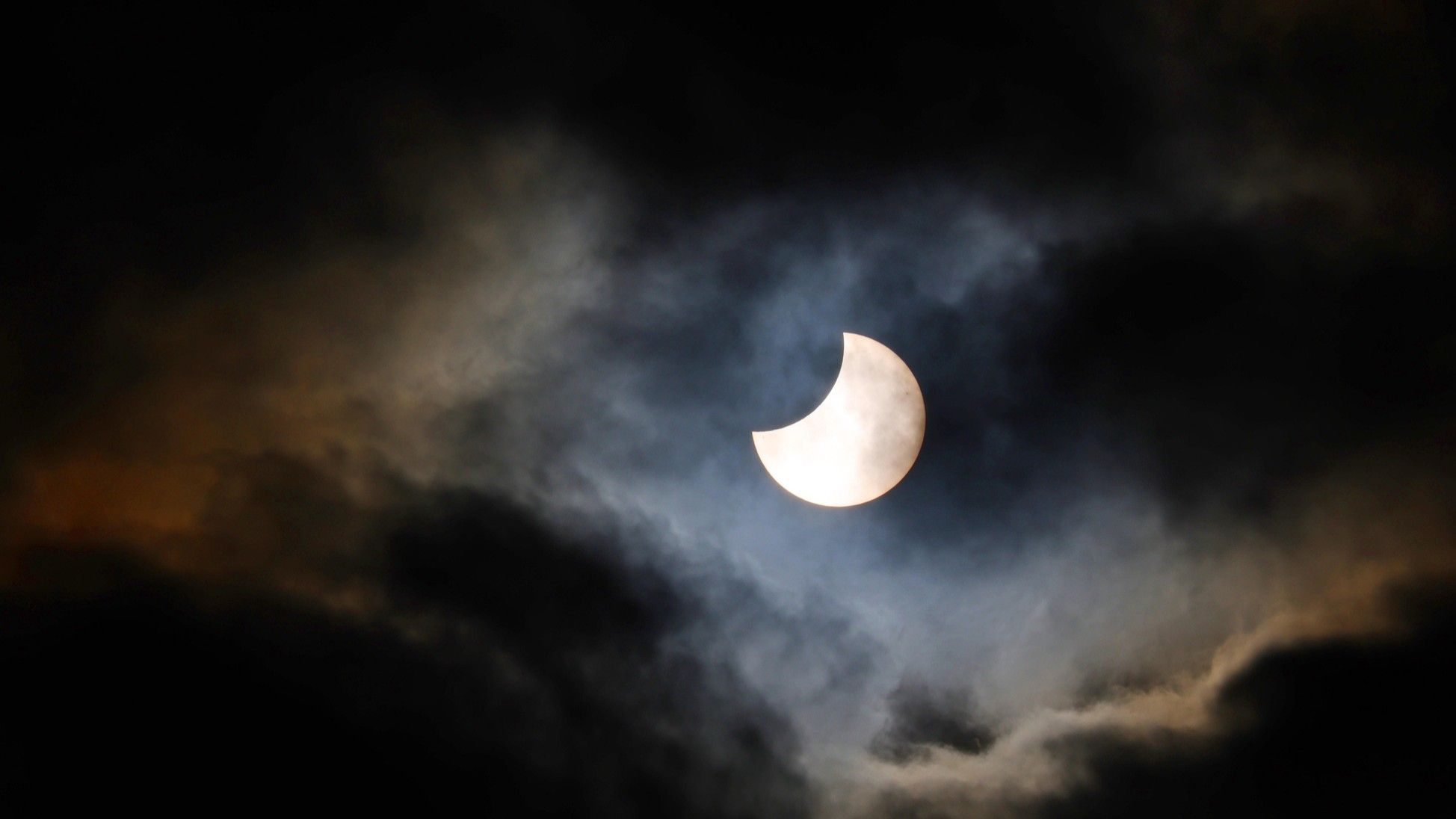
Octopus Energy has urged millions of UK customers to avoid running washing machines and dishwashers between 6pm and 8pm on Wednesday during the deepest solar eclipse in nearly 30 years. The eclipse will cut solar power generation, straining the grid.
Octopus Energy has asked millions of UK households to avoid using high-power appliances like washing machines and dishwashers between 6pm and 8pm on Wednesday, August 12, during the deepest solar eclipse in nearly 30 years. The eclipse will sharply reduce solar power generation just as evening demand peaks, and the company is offering rewards to customers who shift their electricity use to help ease strain on the grid.
-
Grid impact and response
The eclipse is expected to wipe out between 700 megawatts and 1.3GW of solar generation in the UK, and up to 9.7GW across Europe during its strongest point from 7.15pm to 9.30pm. The National Energy System Operator (Neso) has been planning for over a year to manage the effects, and it expects the evening demand peak to occur later than usual as people go outside to watch the eclipse before returning home. Octopus Energy estimates that households could provide 13 gigawatts of flexible capacity through smart appliances, EVs, and home batteries, but only a fraction is currently used. [1]
-
Heatwave and European power strain
The eclipse comes during the UK's fifth heatwave of the year, which is increasing demand for air conditioning, fans, and refrigeration. In late June, the heatwave forced Neso to issue its first summer warning notice for electricity supplies, as soaring temperatures lifted demand while low wind speeds and power plant outages disrupted supply. Across Europe, heatwaves have forced nuclear and coal plants to reduce output or shut down due to low river water levels for cooling, and hydropower reservoirs in Norway have reached their lowest levels in 30 years, according to RBC Capital Markets analysts. [1]
-
Octopus Energy's incentive scheme
Octopus Energy is offering customers signed up to its 'saving sessions' rewards programme a free hour of electricity to use the next weekend if they avoid unnecessary electricity use during the eclipse window. The company believes that if enough households delay using electricity, it could reduce the need for gas-fired power stations to replace lost solar power. Rebecca Dibb-Simkin, Octopus chief customer officer, said that by shifting everyday tasks like washing or dishwashing until later, households can help reduce the need for gas power stations and earn rewards. [1]
-
Safety and viewing advice
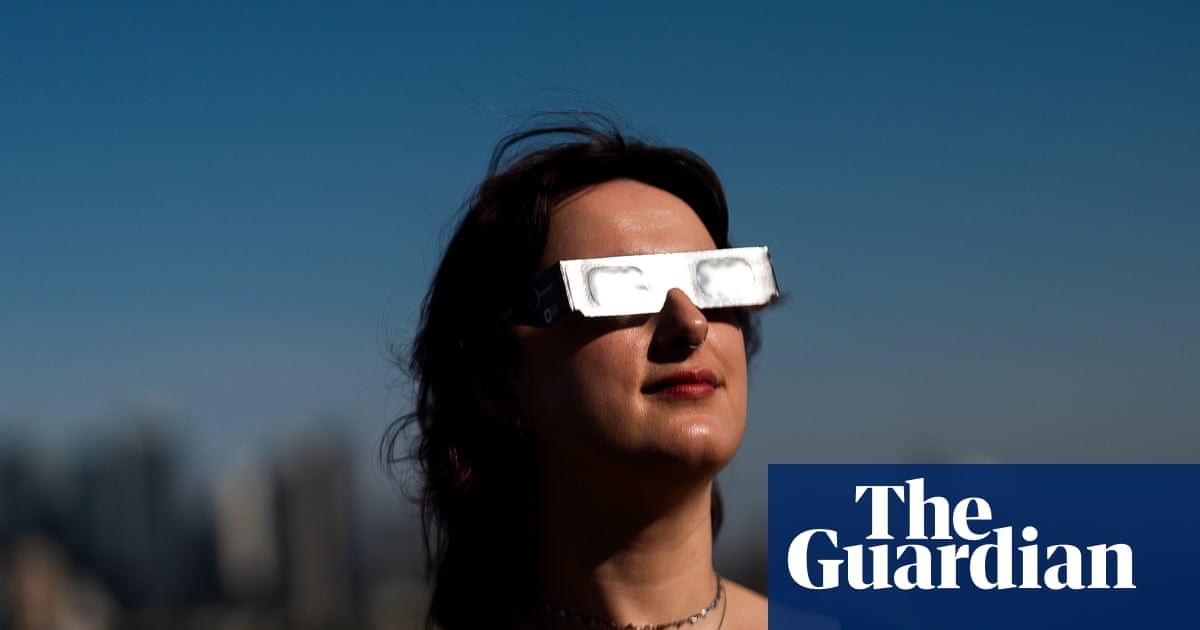
Experts warn that looking directly at the sun during the eclipse can cause permanent eye damage, and standard sunglasses are not safe. The UK Health Security Agency recommends using eclipse glasses that meet the international safety standard ISO 12312-2:2015(E), or using indirect viewing methods like pinhole projectors. Following the 1999 total solar eclipse, the Royal College of Ophthalmologists reported about 70 cases of vision problems, and in Spain, six brands of eclipse glasses have been withdrawn as unsafe by the consumer association FACUA. [7] [5]